Surprising Upcycling Solutions That Make Something Out of Nothing
Surprising Upcycling Solutions That Make Something Out of Nothing
In a world battling rampant waste and overconsumption, upcycling stands out as a beacon of creativity, sustainability, and eco-friendly innovation. Unlike recycling, which often requires energy and breaks down materials before remanufacturing, upcycling solutions give discarded items a new lease on life by transforming them into products of higher value. These resourceful methods not only benefit the environment, but also inspire us to look at what we once considered "nothing" as a potential treasure.
This article offers a comprehensive exploration of innovative upcycling ideas, practical applications, and the benefits associated with turning trash into unique, functional items. Get ready to discover how you can implement surprising upcycling techniques in your own life and make a positive impact on the planet.
What Is Upcycling?
Before diving into inventive upcycling projects, let's clarify the concept. Upcycling is the process of creatively reusing materials, products, or waste items to make something functional and often more beautiful or valuable than the original. This practice encourages us to view "nothing"--objects that would otherwise be sent to landfills--as something with the potential for a second life.
- Difference from recycling: Upcycling keeps materials in their current form as much as possible rather than breaking them down first.
- Why it matters: Upcycling extends a product's lifespan, reduces the need for new raw materials, and helps minimize landfill waste.
- The creativity factor: Because upcycling inspires imaginative problem-solving, it often yields unique, surprising results that can't be found in stores.
Now, let's explore the amazing potential of upcycling solutions that truly make something out of nothing.
Why Upcycling Matters: Benefits Beyond the Obvious
Environmental Advantages
- Landfill Reduction: Every upcycled project keeps items out of the waste stream.
- Conservation of Resources: Less need for new products equals fewer resources consumed.
- Lower Carbon Footprint: Creating new items from scratch uses significantly more energy than repurposing existing ones.
Social and Economic Benefits
- Supporting Local Artisans: Many upcycled goods are handmade, supporting small businesses and craftspeople.
- Community Engagement: Group upcycling projects build community and encourage collaborative innovation.
Personal Advantages
- Custom Creations: Upcycling lets you design one-of-a-kind items tailored precisely to your needs and style.
- Skill Building: DIY upcycling fosters valuable problem-solving and crafting skills.
- Emotional Fulfillment: Transforming "junk" into something useful is deeply satisfying and empowering.
Groundbreaking Upcycling Solutions: From Trash to Treasure
Furniture from Pallets and Reclaimed Wood
Old shipping pallets are often discarded after their primary use. However, with some creativity, these can become the foundation for stunning upcycled furniture:
- Outdoor lounges and benches made by stacking and sanding pallets, then adding weatherproof cushions
- Bookshelves and coffee tables assembled from reclaimed fence panels or floorboards
- Unique bed frames crafted from wood offcuts and pallet slats, offering both rustic charm and durability
By seeing the potential in what others throw away, you can furnish your whole home with character and sustainability in mind.
Plastic Bottles Transformed: Planters, Greenhouses, and Art
Plastic bottles are a major contributor to global pollution, but they're also one of the most versatile resources for upcycling solutions:
- Self-watering planters: Simply cut a bottle in half, invert the top, fill with soil and seed, and the bottom acts as a water reservoir.
- DIY greenhouses: Assemble hundreds of bottles together to create an insulated greenhouse for year-round gardening.
- Creative lighting and art: Combine bottles with LED lights to make shimmering lamps or string together the bottle bases for wall art.
From Textiles to Trendsetters: Clothing Upcycling Ideas
Fashion's fast-paced cycles generate enormous textile waste. Textile upcycling not only reduces this burden but can also result in stylish, unique pieces:
- T-Shirt Yarn: Transform old T-shirts into yarn for crochet projects, rugs, or bags.
- Patchwork Denim: Merge worn jeans into boho skirts, jackets, or even quilts.
- Upcycled Accessories: Convert fabric scraps into headbands, brooches, or reusable shopping bags.
Such creative upcycling strategies often lead to bold fashion statements while promoting sustainable living.
Electronics and E-Waste: High-Tech Upcycling
E-waste is one of the world's fastest-growing waste streams, but with ingenuity:
- Turn old hard drives into funky clocks, creative mirrors, or even wind chimes--the shiny metal platters become art pieces.
- Repurpose vintage radios and TVs into storage cabinets, pet beds, or unique retro decor.
- Use keyboard keys as DIY fridge magnets, jewelry, or craft embellishments.
Glass Jars and Bottles: Beauty in Simplicity
- Candle holders and lanterns: Paint and decorate glass jars for moody, atmospheric lighting.
- Kitchen organization: Upcycle jars as bulk storage for spices, grains, and leftovers.
- Mini indoor gardens: Fill small jars with succulents or herbs for a charming windowsill display.
Step-By-Step: How to Get Started with Upcycling at Home
Embarking on your own journey with upcycling solutions may seem daunting at first, but it's actually easier than you might imagine. Here's a basic framework to help you orchestrate your own transformations:
- Survey your waste: What do you frequently throw away or recycle? (e.g., glass jars, textiles, wood scraps?)
- Seek inspiration: Use platforms like Pinterest, Instagram, or upcycling blogs for idea generation.
- Start simple: Choose beginner-friendly projects with easy-to-source materials--like mason jar organizers or T-shirt tote bags.
- Gather tools: Basic tools such as glue, scissors, sandpaper, and paint can transform many items with minimal investment.
- Get creative: Don't be afraid to experiment! Many upcycling masterpieces come from happy accidents.
- Share and inspire: Post your creations online or join local upcycling communities to exchange ideas and grow together.
Upcycling Solutions for Common Household Items
Everyday Upcycling Projects That Anyone Can Try
- Wine Cork Boards: Collect wine corks and arrange them in a frame for a stylish pinboard.
- Cereal Box Organizers: Cut and stack boxes to create desktop organizers or magazine holders.
- Old Ladder Shelves: Prop a wooden ladder against the wall for instant rustic shelving.
- CD Mosaic Art: Shatter old CDs and create reflective mosaics for tabletops or wall hangings.
- Plastic Lid Garlands: Thread colorful plastic lids onto string for festive party decor.
- Jeans Pocket Storage: Detach pockets from worn jeans and mount them for creative hanging storage.
- Drawer Pull Planters: Repurpose unique drawer handles as mini succulent holders for a quirky touch.
Upcycling in Public Spaces: Creative Community Solutions
Entire neighborhoods and municipalities have adopted upcycling solutions as part of their sustainability initiatives. Examples include:
- Playgrounds: Old tires become swings or climbing structures.
- Artistic Installations: Large-scale art from bottle caps, cans, or reclaimed wood beautifies parks while spreading environmental messages.
- Urban gardening: Shipping containers and bathtubs serve as community garden beds in city parks or vacant lots.
These creative upcycling applications foster a sense of pride, beautify shared spaces, and inspire the next generation of eco-innovators.
Advanced Upcycling: Unusual Materials, Spectacular Results
Industrial and Commercial Waste
- Billboard vinyl: Durable and weatherproof, used for tarps, bags, or furniture upholstery.
- Scrap metal: Transformed into garden sculptures, furniture, or bike frames.
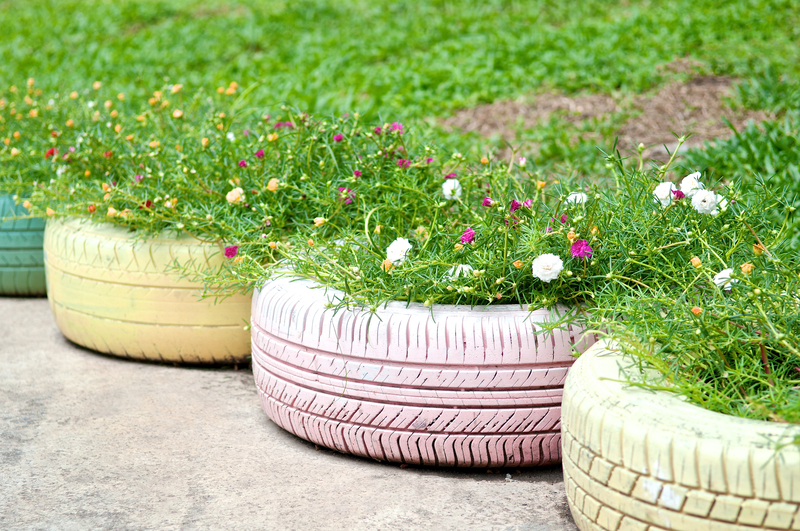
- Old tires: Crafted into resilient planters, playground flooring, or architectural features.
Tech and Fabric Fusion
Artists and designers are now merging e-waste with textiles to create "smart" upcycled products:
- LED-integrated clothing powered by salvaged electronics
- Wearable art featuring circuit boards as embellishments
- Furniture with embedded speakers or charging stations constructed from repurposed gadgets
Tips for Effective and Safe Upcycling
- Clean and sanitize: Always thoroughly wash and disinfect materials, especially if they're used for food, storage, or wearable projects.
- Use non-toxic finishes and paints: Choose products labeled as low-VOC or food-safe for projects involving children or kitchens.
- Check for hazardous components: Some old electronics, treated wood, or paints may contain toxic chemicals--research before use.
- Take safety precautions: Wear gloves and goggles when handling glass, metal, or sharp tools.
How Upcycling Solutions are Shaping the Future
The upcycling movement is gaining mainstream momentum. Designers, engineers, and everyday inventors continue to push the boundaries with surprising upcycling solutions that tackle everything from waste reduction to affordable housing.
- Fashion houses collaborate with recycling companies to produce "zero waste" collections.
- Automotive and tech industries discover ingenious new ways to reuse industrial byproducts.
- Architecture embraces shipping containers, bottle walls, and even airplane parts for cutting-edge eco-buildings.
As consumer demand for sustainable products grows, expect to see even more "something out of nothing" success stories shaping our everyday world.
Conclusion: Transform the Ordinary into the Extraordinary
Upcycling solutions are a testament to both human ingenuity and the transformative power of creativity. They reveal that there's tremendous potential hidden in everyday "junk," empowering individuals, communities, and businesses to make something truly valuable out of what once seemed worthless.
By adopting the upcycler's mindset--seeking inspiration, experimenting, and sharing ideas--we can all participate in this global movement. Whether you start with a glass jar planter or a full-scale furniture project, you're contributing to a more sustainable, vibrant world where "nothing" is just the beginning of something amazing.
So, the next time you're about to throw something away, pause and ask yourself: What could this become?

Frequently Asked Questions (FAQs)
What is the easiest item to upcycle at home?
- Glass jars and bottles are among the easiest and most versatile items to upcycle, requiring minimal supplies and effort to transform into planters, storage containers, or decorative candles.
How do I know if an item is safe to upcycle?
- Research the materials for hazardous chemicals (especially electronics, treated wood, or old painted furniture). Always wash and disinfect before use, and handle with safety gear when necessary.
What's the difference between upcycling and recycling?
- Upcycling involves transforming unwanted items into new products of higher value without breaking the materials down, while recycling typically involves breaking down the materials and remanufacturing.
Can upcycling save me money?
- Absolutely! Upcycled solutions allow you to create new and functional items without purchasing raw materials, reducing both expenses and environmental impact.
Ready to Start? Unleash Your Inner Upcycling Artist!
Join the rapidly growing community of upcyclers turning "nothing" into something surprising every day. Begin with these ideas and watch as your waste stream becomes a wellspring of innovation and joy.
For more inspiration on upcycling solutions that make something out of nothing, follow sustainable living blogs, take online classes, or join local DIY workshops. The only limit is your imagination!